Introduction
In a swiftly advancing health care landscape, registered nurses are increasingly called for to broaden their skill sets to satisfy the varied demands of people. One area that has actually gotten significant relevance is PEG (Percutaneous Endoscopic Gastrostomy) feeding This specific kind of enteral nutrition involves placing a tube straight right into the belly, allowing for the shipment of nutrients to individuals that might be not able to consume by mouth. Therefore, training in PEG feeding is not just useful; it's crucial for modern-day nursing practice.
This post will discover the subtleties of PEG feeding training, specifically focusing on just how registered nurses can come to be professionals in this area. From recognizing the basics of enteral nutrition support to the intricate information associated with carrying out PEG feeds, we intend to supply extensive understandings right into PEG feeding training courses, consisting of those offered in Australia and under the NDIS framework.
What is PEG Feeding?
Understanding PEG Feeding
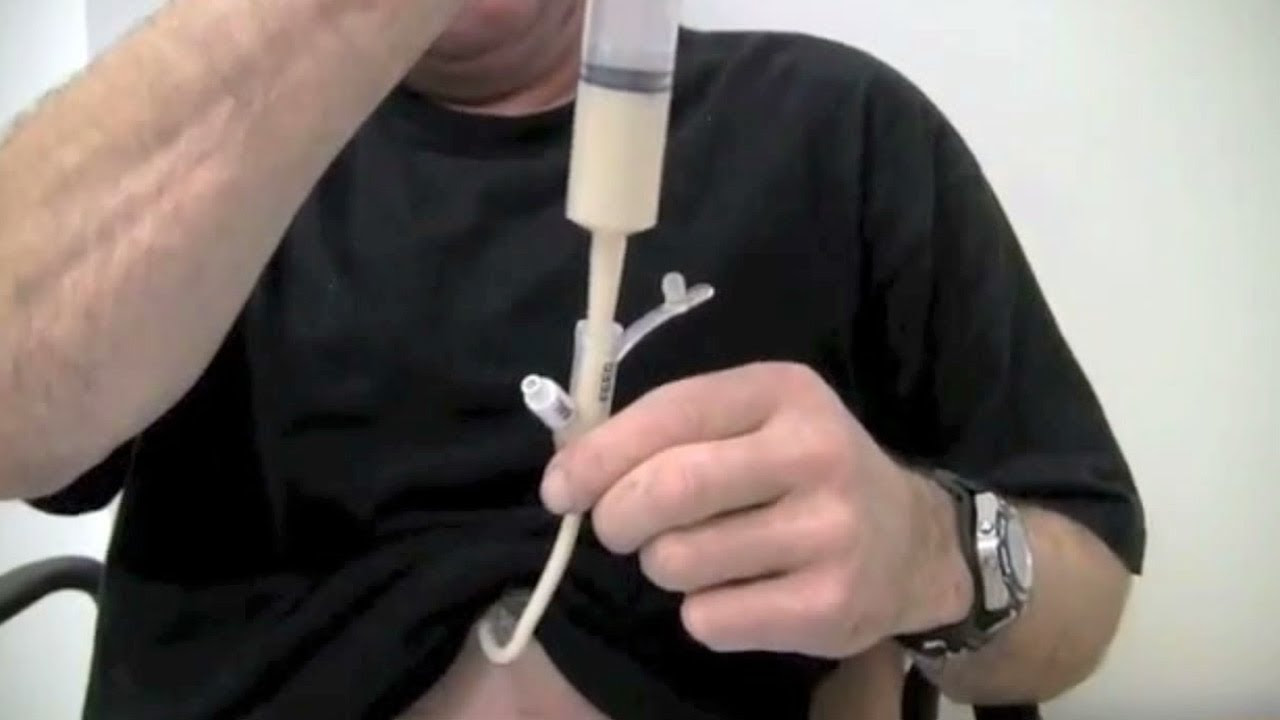
PEG feeding refers to the approach of supplying nutrition straight into a client's belly with a tube inserted via an endoscopy treatment. It is commonly suggested for people that can not swallow safely or properly take in nutrients due to numerous medical problems such as stroke, neurological conditions, or head and neck cancers.
Indications for PEG Feeding
There are several indications for launching enteral feeding, including:
- Neurological Conditions: Conditions like ALS and cerebral palsy where swallowing may be compromised. Cancer Clients: Particularly those undertaking radiotherapy or radiation treatment impacting their capability to eat. Severe Anorexia or Lack of nutrition: In clients unable to preserve ample nutritional intake.
The decision to wage PEG feeding must always be patient-centered, thinking about both medical necessity and quality of life.
The Relevance of Enteral Nutrition Support
Why Enteral Nutrition Matters
Enteral nourishment plays an essential role in preserving and restoring dietary standing. For many patients, it's not practically caloric consumption however also regarding ensuring they receive essential vitamins and minerals needed for recovery.
Benefits of Enteral Feeding
Reduced Infection Danger: Contrasted to parenteral nourishment (IV), enteral feeding can reduce the danger of infections. Maintenance of Digestive tract Stability: By utilizing the intestinal system, enteral feeding aids maintain digestive tract feature and microbiota balance. Cost-Effectiveness: Normally more economical than intravenous alternatives.Understanding these advantages highlights why nurses require skilled training in providing premium enteral nutrition support with strategies like PEG feeding.
The Function of Registered nurses in PEG Feeding
Nursing Duties in Enteral Feeding
Nurses play an indispensable role in managing clients getting enteral nutrition via PEG tubes. Their duties consist of:
- Assessing client needs based on medical evaluations. Administering feedings appropriately while checking for complications. Educating people and family members concerning care procedures.
Skills Required for Effective PEG Feeding Management
To be effective, nurses have to develop key abilities such as:
- Proficiency in using enteral feeding equipment. Ability to acknowledge indications of possible complications (like tube dislodgment or infections). Strong interaction skills to overview clients and caregivers with home treatment practices.
Overview of PEG Training Courses Available
Types of PEG Training Courses
When looking for PEG training courses, it is necessary to consider your certain learning demands. Right here are some typical kinds:

NDIS PEG Feeding Training
For nurses collaborating with clients under the National Impairment Insurance Policy Scheme (NDIS), specialized training programs exist that concentrate on conference distinct person requires while adhering to regulative standards.
Becoming Qualified: What You Required To Know
Importance of Certification
Obtaining an accreditation in PEG feeding shows your dedication and know-how in this customized area. It not only enhances your professional reputation however may additionally open innovative job opportunities within healthcare settings.
How To Achieve Your Certification
Steps normally include:
Enrolling in an approved program concentrated on enteral feeding support Completing both academic expertise evaluations and practical skills demonstrations. Keeping current with continuous education demands as stipulated by accrediting bodies.Practical Abilities Obtained from PEG Feeding Training
Hands-On Experience: Understanding by Doing
One considerable benefit of extensive peg training courses is the chance for hands-on experience with real-world applications.
Key Practical Skills Include:
- Tube positioning techniques Managing feed infusions Recognizing signs of complications very early
This training guarantees that upon completion, you're outfitted with both theoretical knowledge and sensible abilities necessary for safe individual care.
Common Difficulties Related to PEG Feeding
Identifying Prospective Issues Very early On
While enteral feeding offers many advantages, there are also risks connected with it that trained professionals must monitor carefully:
Safety Protocols
To alleviate these threats, extensive safety protocols should be abided by during all elements entailing peg feed training Regular follow-ups are essential too!
Educational Resources Available
Online Resources
The web uses a variety of sources ranging from free write-ups going over enteral nourishment support principles to paid detailed on-line programs tailored specifically toward health care professionals seeking innovative expertise about PEGl feed monitoring techniques.
Recommended Online Operating systems Include:
Medscape Coursera Udemy Local health institutions' web sites using specific materialThese platforms commonly give valuable products including videos, tests, case studies, discussions forums-- all developed around enhancing discovering experiences!
Frequently Asked Questions (Frequently asked questions)
1. What is secure feeding?
PEG feeding includes providing nutrients directly right into a person's tummy using a tube placed with an endoscopic treatment when oral intake isn't viable due either medically associated constraints or inability due physical problems surrounding consuming procedures themselves!
2. Who needs secure feeding?
Patients struggling with problems like strokes; neurodegenerative diseases; cancers impacting ingesting abilities commonly need this intervention so they can still receive important nutrients required during treatment phases!

3. Exists any specific nurse-led training available?
Absolutely! Different customized programs exist globally concentrating especially on encouraging nursing team around best about enteral feeding procedures methods when carrying out tasks related to both first positionings & & recurring management post-procedure ensuring optimum care high quality throughout!
4. What need to I search for when picking peg training courses?
Consider elements like accreditation status; course length; teacher certifications; testimonials from previous pupils-- these aspects can make all distinction between searching for ideal fit versus wasting time/money seeking poor options!
5. Can I perform my very own trainings without official certification?
While self-guided research definitely helps build fundamental understanding-- you'll battle obtaining complete self-confidence unless backed by recognized program qualifications recognized across medical care systems consequently enlisting somewhere trusted must constantly remain priority!
6. What happens if I miss my scheduled clinical analysis throughout training course completion?
Typically rescheduling chances arise-- but plans vary between suppliers so inspect straight in advance regarding certain policies applied in the direction of each circumstance encountered!
Conclusion
In final thought, coming to be experienced at handling peg feeds with specialized training equips nurses not just with vital abilities yet additionally improves their general payment within multidisciplinary teams dedicated towards improving patient results across varied health care settings! Via continuous education-- coming to be professionals allows professionals entering this field browse complexities properly while enhancing quality care requirements anticipated today-- eventually making certain every client obtains necessary dietary support no matter challenges faced along trip ahead!
By interesting deeply with topics bordering enteral nutrition support, attaining accreditations-- such quests mirror dedication towards quality paving pathways leading meeting professions rooted depend on made amongst peers & & neighborhoods served alike opening doors previously unimagined! Now go forth equipped understanding exactly what involves Becoming A Specialist: The Necessary Peg Feeding Training For Nurses-- your future awaits!