Introduction
In the ever-evolving field of health care, enteral feeding has actually become an important facet of client care, specifically for those that can not consume food by mouth. As such, comprehending the nuances of enteral feeding training is critical for healthcare specialists. This article will explore The Fundamentals of Enteral Feeding Training: Structure a Solid Foundation, concentrating on whatever from the importance of PEG (Percutaneous Endoscopic Gastrostomy) feeding to readily available training courses and qualifications.

Healthcare suppliers need to furnish Article source themselves with the understanding and skills essential to support people successfully via enteral nourishment. This short article aims to illuminate those aspects while offering useful sources for registered nurses, assistance employees, and various other healthcare experts associated with enteral feeding.
The Basics of Enteral Feeding Training: Structure a Solid Foundation
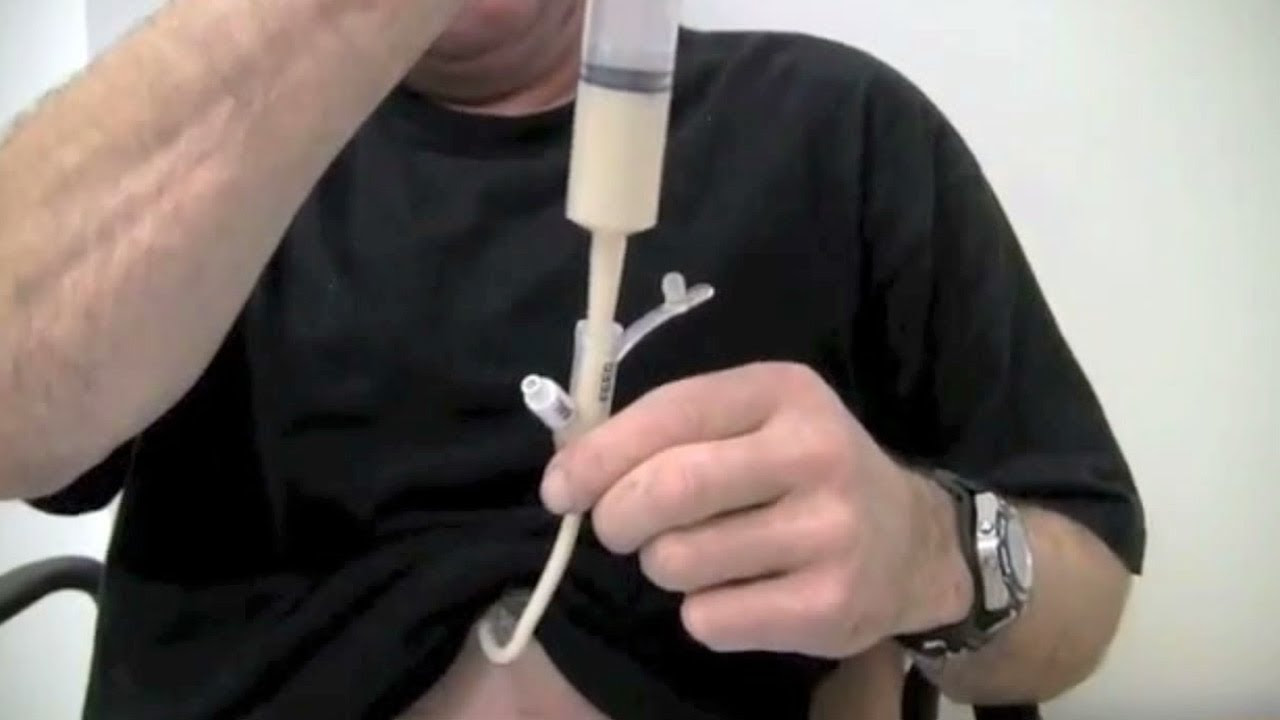
Enteral feeding training includes a variety of techniques and procedures that guarantee safe and efficient dietary support for people needing it. Understanding exactly how to provide PEG feed correctly is vital for clinicians operating in numerous setups, consisting of medical facilities, nursing homes, and home care environments.

What is Enteral Feeding?
Enteral feeding describes delivering nutrients directly right into the intestinal tract with a tube. This approach is specifically advantageous for individuals who can not eat orally because of medical problems such as neurological disorders, cancers impacting the throat or mouth, or severe dysphagia (trouble swallowing).
Types of Enteral Feeding Tubes
- Nasogastric (NG) Tube: Inserted with the nose into the stomach. Orogastric Tube: Comparable to NG however inserted with the mouth. Gastrostomy Tube (PEG): Positioned directly right into the stomach with the abdominal wall.
Each kind has certain indications and must be picked based upon individual patient needs.
Why Is Proper Training Important?
Proper training in enteral feeding makes sure that healthcare providers can:
- Administer feeds safely. Monitor patients effectively. Prevent difficulties related to improper technique.
Complications Related to Improper Techniques
- Aspiration pneumonia Gastrointestinal obstruction Infection at insertion sites
These problems can lead to extended medical facility stays or even casualties if not handled correctly.
Overview of Enteral Feeding Support Courses
Enteral feeding support programs are made to provide comprehensive training on various facets of enteral nutrition. Participants will certainly explore topics like nourishment evaluation, tube placement techniques, and ongoing care management.
Key Parts of a Quality Course
Theoretical Expertise: Recognizing standard composition and physiology pertaining to digestion. Practical Skills: Hands-on experience with tube insertion techniques. Patient Analysis: Knowing how to review individual needs accurately.Nursing Obligations in Enteral Feeding
Nurses play a pivotal function in carrying out enteral feeding securely and efficiently. Their responsibilities consist of:
1. Assessing Nutritional Needs
Determining caloric needs based on person weight, age, and health standing is crucial for efficient enteral nutrition.
2. Checking Tube Placement
Correct placement have to be verified prior to administration making use of methods like pH testing or X-ray imaging.
3. Handling Complications
Being attentive concerning signs of issues-- like ambition or infection-- is crucial.
PEG Training for Nurses: A Specialized Focus
Given that PEG feeding typically needs customized training, programs tailored for registered nurses are invaluable. Such programs concentrate on:
1. Insertion Techniques
Learning various techniques for inserting PEG tubes safely under proper conditions guarantees top quality care.
2. Post-Insertion Care
Monitoring insertion websites and taking care of any type of prospective difficulties properly can significantly boost individual outcomes.
PEG Training Courses Available in Australia
Australia provides numerous approved PEG training courses aimed at outfitting doctor with vital abilities:
|Program Name|Duration|Carrier|| ----------------------------------|----------|-------------------|| NDIS PEG Feeding Training|2 Days|Australian Wellness Academy|| Enteral Feeding Support Course|1 Day|Wellness Education Australia|| Advanced PEG Insertion Methods|3 Days|Nursing Institute Australia|
These programs not just use functional abilities but likewise equip registered nurses with evidence-based methods essential for patient safety.
FAQs Concerning Enteral Feeding Training
1. What is PEG feeding?
PEG (Percutaneous Endoscopic Gastrostomy) feeding involves placing a tube straight right into the stomach to provide nourishment when dental intake isn't possible.
2. Why should I take an enteral feeding support course?
Such training courses enhance your clinical abilities and guarantee you are well-equipped to take care of clients calling for nutritional assistance safely.
3. That can gain from PEG training courses?
Nurses, dietitians, assistance employees, and any type of medical care specialist associated with individual care would discover these programs beneficial.
4. The length of time does it take to complete PEG training?
Many PEG training courses vary from eventually to numerous days depending on deepness and complexity.
5. Can I carry out enteral feedings without formal training?
While it's technically feasible, it's highly inhibited due to possible risks included without correct education.
6. What accreditation do I obtain upon finishing an enteral feeding course?
Participants normally get a certification recognizing their proficiency in enteral feeding techniques after successful completion.
Conclusion
In recap, understanding the fundamentals of enteral feeding is crucial within modern-day medical care practices-- especially given its relevance in handling people unable to consume food orally. By investing time in quality education-- such as taking part in specialized training courses like NDIS peg feeding training or entering into peg training for nurses-- healthcare professionals can build a strong structure that enhances their capability to supply essential treatment effectively.
As we advance better into a period where customized medication ends up being crucial, having actually educated professionals all set to satisfy diverse nutritional requirements will certainly boost individual results considerably throughout all settings-- from medical facilities to home care centers. Let us devote ourselves today toward excellence by accepting The Fundamentals of Enteral Feeding Training: Building a Strong Foundation!